CLICK TO CALL
Blog
Root Canals Explained: Understanding This Common Procedure
December 6, 2025 / DENTISTRY
What Root Canals Are and Why They're Necessary
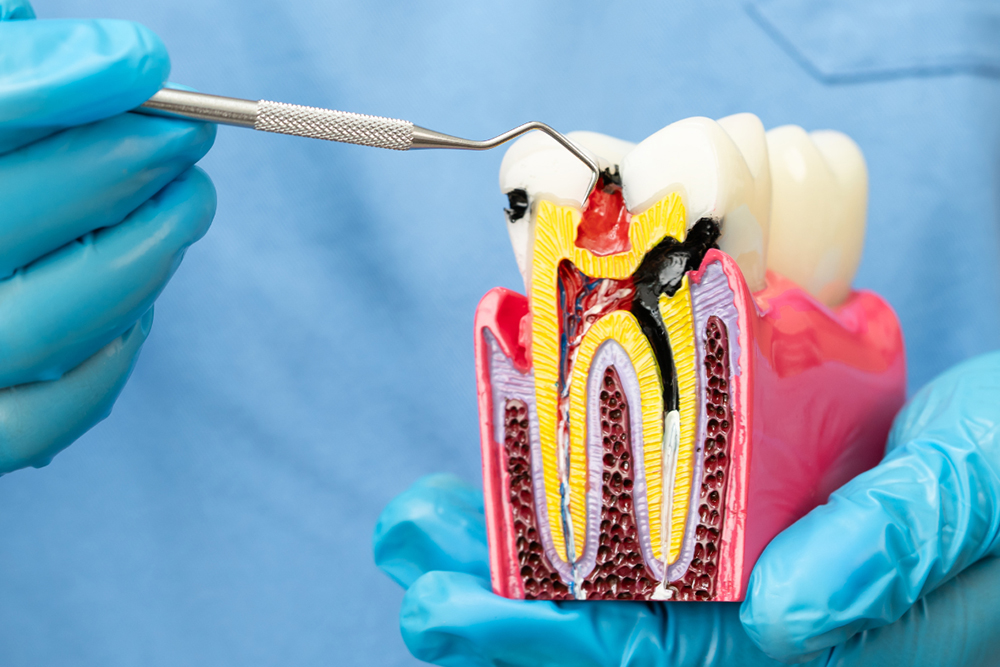
Root canals are one of the most misunderstood dental procedures, often causing unnecessary anxiety for patients. Understanding what root canals involve and when they're necessary helps patients make informed decisions about their dental health. This common procedure saves natural teeth that would otherwise require extraction. Many Windsor residents have heard negative stories about root canals, but modern techniques have transformed this procedure. Today's root canals are efficient, comfortable, and highly successful. Learning the facts from Foresto Dentistry about root canals helps patients approach treatment with confidence rather than fear.
Step-by-Step Breakdown of the Root Canals Process
Initial Examination and Diagnosis:
X-rays identify the extent of infection or damage
- Dental professionals assess tooth structure and surrounding bone
- Treatment plan is developed based on individual needs
- Local anesthesia ensures comfort throughout the procedure
Pulp Removal:
Small opening created in the tooth crown
- Infected or damaged pulp tissue carefully removed
- Pulp chamber thoroughly cleaned
- Process eliminates source of pain and infection
Canal Cleaning and Shaping:
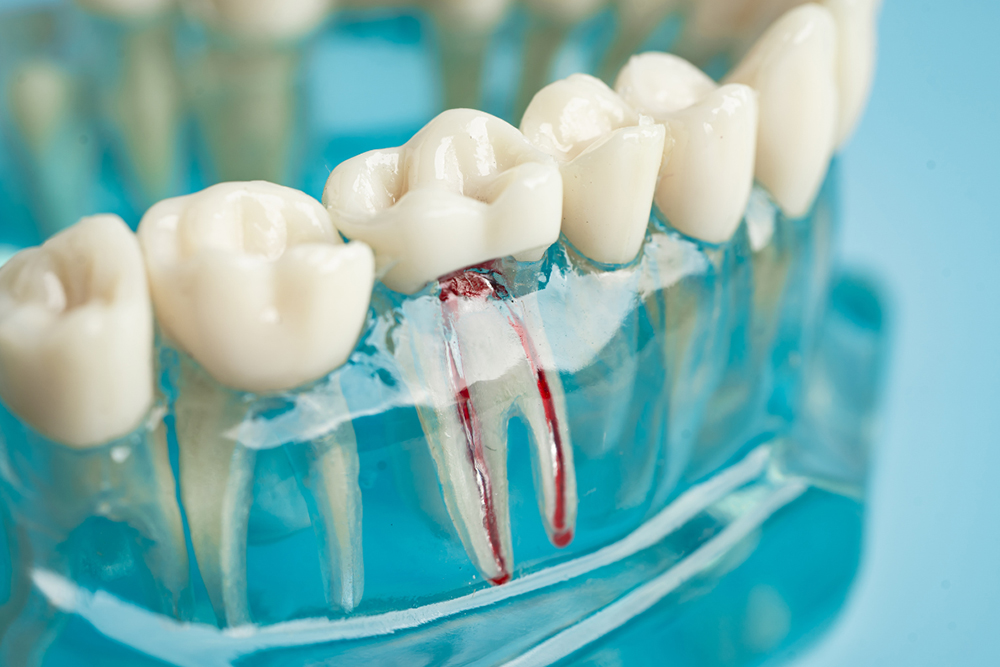
Root canals are cleaned with specialized instruments
- Canals are shaped to receive filling material
- Antimicrobial solutions irrigate and disinfect canals
- All bacteria and debris are removed
Sealing the Canals:
Canals filled with biocompatible material called gutta-percha
- Material seals canals to prevent future infection
- Temporary filling placed in access opening
- Tooth structure is preserved for final restoration
Final Restoration:
Permanent filling or crown placed in subsequent appointment
- Restoration protects tooth and restores full function
- Natural appearance is maintained
- Tooth can last a lifetime with proper care
When Root Canals Are Necessary Versus Other Treatment Options
Signs That Root Canals May Be Needed:
Severe tooth pain that doesn't respond to pain medication
- Prolonged sensitivity to hot or cold temperatures
- Tooth discoloration or darkening
- Swelling and tenderness in nearby gums
- Persistent pimple-like bump on gums
- Deep decay reaching the tooth pulp
Root Canals Versus Tooth Extraction:
Root canals preserve natural teeth, which offers several advantages:
- Maintains natural bite and chewing function
- Prevents adjacent teeth from shifting
- Preserves jawbone structure
- More cost-effective long-term than replacement options
- Keeps natural appearance of smile
Extraction may be recommended when:
- Tooth structure is too damaged to restore
- Severe bone loss surrounds the tooth
- Vertical root fracture is present
- Patient preference or financial constraints exist
Root Canals Versus Crown Alone:
Crowns alone work when:
- Tooth structure is damaged but pulp is healthy
- No infection or inflammation is present
- Tooth needs protection from further damage
Root canals with crowns are needed when:
- Pulp is infected or inflamed
- Deep decay has reached the pulp chamber
- Trauma has damaged the pulp
- Previous dental work has compromised pulp health
Modern Root Canals Techniques and Technology
Digital Imaging:
3D cone beam CT scans provide detailed views
- Precise visualization of root canal anatomy
- Identifies complex canal systems before treatment
- Reduces treatment time and improves outcomes
Rotary Instrumentation:
Electric handpieces clean canals more efficiently
- Flexible nickel-titanium files navigate curved canals
- Faster treatment with less hand fatigue for dentist
- More thorough cleaning than traditional hand files
Apex Locators:
Electronic devices measure exact canal length
- Reduces need for multiple X-rays during treatment
- Ensures complete cleaning to canal end
- Improves accuracy and treatment success
Ultrasonic Irrigation:
Sound waves activate cleaning solutions
- Removes debris from complex canal anatomy
- Better disinfection than traditional irrigation
- Reduces risk of reinfection
Operating Microscopes:
Magnification up to 25 times normal vision
- Enhanced visibility of tiny canal openings
- Ability to treat complex cases successfully
- Improved precision reduces treatment time
Biocompatible Materials:
Modern filling materials seal canals more effectively
- Reduced risk of allergic reactions
- Better long-term success rates
- Improved compatibility with natural tooth structure
Pain Management During Root Canals
Effective Anesthesia:
Local anesthesia numbs the treatment area completely
- Most patients feel no pain during the procedure
- Additional anesthesia available if needed
- Sedation options for anxious patients
Post-Treatment Comfort:
Mild discomfort typically resolves within a few days
- Over-the-counter pain medication usually sufficient
- Prescription medication available if needed
- Most patients return to normal activities immediately
Success Rates and Long-Term Outcomes of Root Canals
Success Statistics:
Over 95% success rate with proper technique
- Treated teeth can last a lifetime
- Complications are rare with experienced providers
- Regular dental care maintains long-term success
Factors Affecting Success:
Timely treatment before extensive damage occurs
- Quality of final restoration
- Patient oral hygiene habits
- Regular dental check-ups for monitoring
Getting Root Canals Treatment in Windsor
Foresto Dentistry in Windsor, Ontario provides advanced root canals treatment using the latest technology and techniques. Located at 3850 Dougall Ave, Unit 30, the practice offers comfortable, efficient root canals procedures that save natural teeth. The team at Foresto Dentistry understands patient concerns about root canals and takes time to explain each step. Their commitment to modern technology and gentle care ensures positive treatment experiences. Patients receive comprehensive care from diagnosis through final restoration. For expert root canals treatment in Windsor, contact Foresto Dentistry at 519-972-6148. You can also email forestoreception@outlook.com to schedule a consultation and learn more about how modern root canals can save your natural tooth.
Archive