


 CLICK TO CALL
Dental Health Blog | Dr. Dan Foresto - Family & Cosmetic Dentistry
Cracked Tooth: When Should You Call an Emergency Dentist?
September 27, 2026 / Dentistry
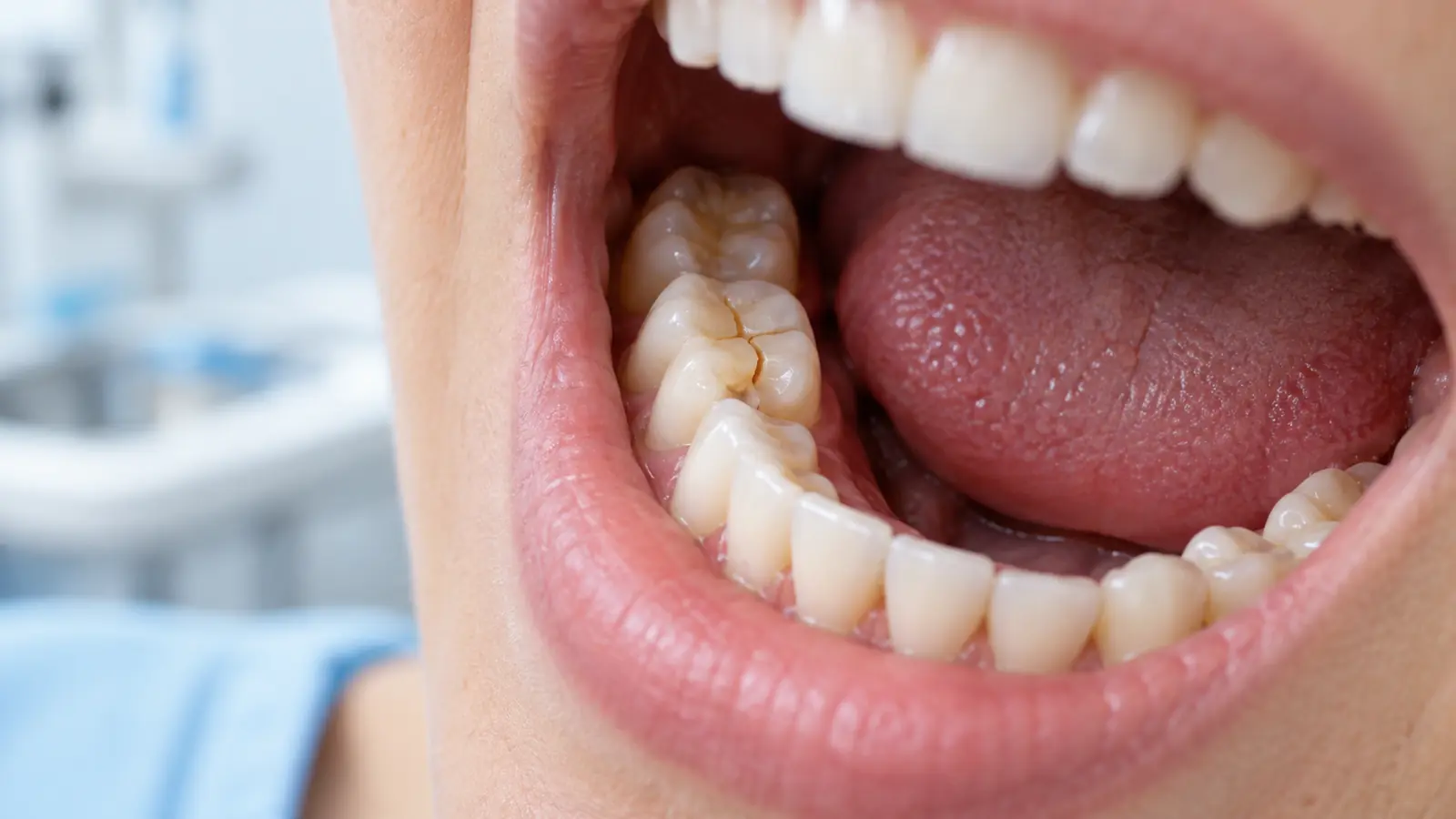
A cracked tooth may be a dental emergency when there is severe or worsening pain, swelling, bleeding, a loose piece of tooth, a sharp edge, or an injury to the mouth. Even a crack that does not hurt should be checked because symptoms do not reliably show how deep it is. Avoid chewing on the tooth, keep any broken fragment, and call a dentist for guidance. Seek emergency medical care if facial swelling affects breathing, swallowing, or speaking, or if mouth bleeding is heavy and will not stop.
If you are unsure whether you need an emergency dentist in Windsor, explain what happened and describe your symptoms when you call. The dental team can use that information to guide the urgency of an assessment without assuming a diagnosis.
Is a Cracked Tooth a Dental Emergency?
Not every visible line or small chip requires treatment at the same moment, but a new crack deserves professional advice. Urgency depends on the location and depth of the damage, whether part of the tooth moves, how the crack happened, and whether you have pain, swelling, bleeding, or sensitivity.
A crack can involve only the outer enamel or extend deeper into the tooth. Some cracked teeth hurt during chewing or when pressure is released; others respond to cold or heat. Symptoms may come and go, and a tooth can look intact even when a problem exists below the surface. That is why the absence of constant pain does not confirm that a crack is minor.
Call promptly after trauma, when a piece is loose, or when the tooth has a sharp or deep break. The American Dental Association’s dental emergency guidance recommends seeing a dentist as soon as possible for a cracked tooth. A dentist needs to examine the tooth before explaining its condition and treatment options.
Signs a Cracked Tooth Should Be Checked Promptly
Contact a dental office promptly if you notice any of the following:
- Severe, persistent, or rapidly worsening pain.
- Pain when biting, chewing, or releasing pressure.
- Sensitivity to cold, heat, or sweets that is new, strong, or lingering.
- A visible split, missing piece, loose fragment, or sharp edge.
- Bleeding from the tooth or nearby gum after an injury.
- Swelling of the gum, face, or jaw, especially with fever, drainage, a bad taste, or feeling unwell.
- A tooth that feels loose or has changed position after trauma.
- Difficulty eating, sleeping, opening your mouth, or closing your teeth comfortably.
These signs do not reveal exactly how far a crack extends, but they indicate that the tooth should not be ignored. If swelling interferes with breathing or swallowing, or bleeding is heavy and does not stop, seek emergency medical care immediately.
What Should You Do If You Crack a Tooth?
Start by protecting the area and contacting a dentist:
- Stop chewing on the affected side and avoid testing the tooth with hard food.
- Rinse gently with water if there is debris, but do not probe the crack.
- If a piece has broken off, place it in a clean container and bring it to the appointment.
- If the crack followed a blow, describe the injury and mention any bleeding, looseness, or change in the way your teeth meet.
- Call the dental office and explain when the damage happened, what the tooth feels like, and whether symptoms are changing.
- Follow the instructions the dental team provides for your situation.
If the tooth has a sharp edge, protect your tongue and cheek by avoiding contact with the area. Do not file or reshape the tooth yourself. If you are considering medication, follow professional advice and the product directions with your medical history and other medications in mind.
What Should You Avoid Until a Dentist Checks the Tooth?
Avoid actions that may place more force on a damaged tooth or interfere with an assessment:
- Do not chew ice, hard candy, popcorn kernels, or other hard foods on that side.
- Do not use household glue, nail products, or unapproved materials to reconnect a fragment.
- Do not keep clenching or biting down to see whether the tooth still hurts.
- Do not assume intermittent pain means the crack has healed.
- Do not delay calling if pain, swelling, bleeding, or looseness is increasing.
- Do not place aspirin directly against the tooth or gums.
A crack in a natural tooth is different from a situation in which a dental crown falls out. Tell the office whether the broken material appears to be tooth structure, a filling, or a crown so the team has the clearest possible description.
How a Dentist May Assess a Cracked Tooth
The dentist will ask how the problem started and what triggers the pain. They may examine the tooth and surrounding gums, check how the teeth meet, look for movement or visible fracture lines, and assess how the tooth responds to biting pressure, temperature, or other clinical tests.
Dental X-rays or other images may be used when appropriate, although some cracks can be difficult to see on an image. The dentist combines the history, symptoms, clinical examination, and imaging rather than relying on a single sign. Nearby teeth may also be checked because pain is not always easy to localize.
The assessment helps determine whether the crack affects only a small outer area or involves deeper tooth structure. It can also identify a damaged filling, decay, gum concern, or bite issue that may be contributing to similar symptoms.
Can a Cracked Tooth Need a Crown, Root Canal, or Another Treatment?
Treatment depends on where the crack is, how deep it extends, how much healthy tooth remains, whether the inner tooth is affected, and whether the tooth can be restored. A small chip may be managed differently from a deep fracture or a tooth split below the gumline.
A filling, bonding, or crown may be discussed in some cases. If the tissue inside the tooth is significantly inflamed or infected, root canal treatment may be considered before the tooth is restored. Other cracks may not be repairable. No option is automatic, and an examination is needed before the dentist can explain prognosis or suitability.
Ask what part of the tooth appears involved, which options are reasonable, what each option is intended to accomplish, and what may happen if care is delayed. A cracked tooth cannot repair itself in the same way as a broken bone, so monitoring should occur only when the dentist considers it appropriate.
Frequently Asked Questions About Cracked Tooth Emergencies
Can a small crack in a tooth wait?
It may be less urgent if there is no pain, swelling, bleeding, loose fragment, or trauma, but call a dentist for guidance rather than assuming it can wait. The size you can see does not necessarily show the depth or condition of the tooth.
Should I call a dentist if a cracked tooth does not hurt?
Yes. A crack can be present without constant pain, and symptoms may appear only when chewing or with temperature changes. An assessment can determine whether the line is superficial or whether the tooth needs protection or treatment.
What should I do if part of my tooth breaks off?
Save the fragment in a clean container, avoid chewing on the tooth, keep the area gently clean, and contact a dentist. Do not glue the piece back. Call more urgently if there is severe pain, bleeding, swelling, trauma, or a loose tooth.
Can a cracked tooth cause an infection?
A deep crack may allow bacteria to reach vulnerable tooth tissue, but symptoms alone cannot confirm infection. Contact a dentist if you have worsening pain, swelling, fever, drainage, or a bad taste. Facial swelling with breathing or swallowing difficulty requires emergency medical care.
Is a cracked tooth the same as a chipped tooth?
No. A chip usually means a piece has broken from the tooth’s edge or surface, while a crack is a line that may extend through tooth structure. Either can range from minor to significant, so the appropriate response depends on the examination and symptoms.
Talk to Foresto Dentistry About a Cracked Tooth
A new crack, broken fragment, or pain when biting is worth discussing with a dentist, even if the discomfort comes and goes. Protect the tooth from chewing pressure and describe any changes clearly when you call.
Foresto Dentistry serves patients in Windsor, Ontario. If you have a cracked tooth or are unsure whether your symptoms need prompt attention, contact Foresto Dentistry to ask about an assessment and appropriate next steps.