


 CLICK TO CALL
Dental Health Blog | Dr. Dan Foresto - Family & Cosmetic Dentistry
What To Do If a Dental Crown Falls Out
June 24, 2026 / Dental Crowns
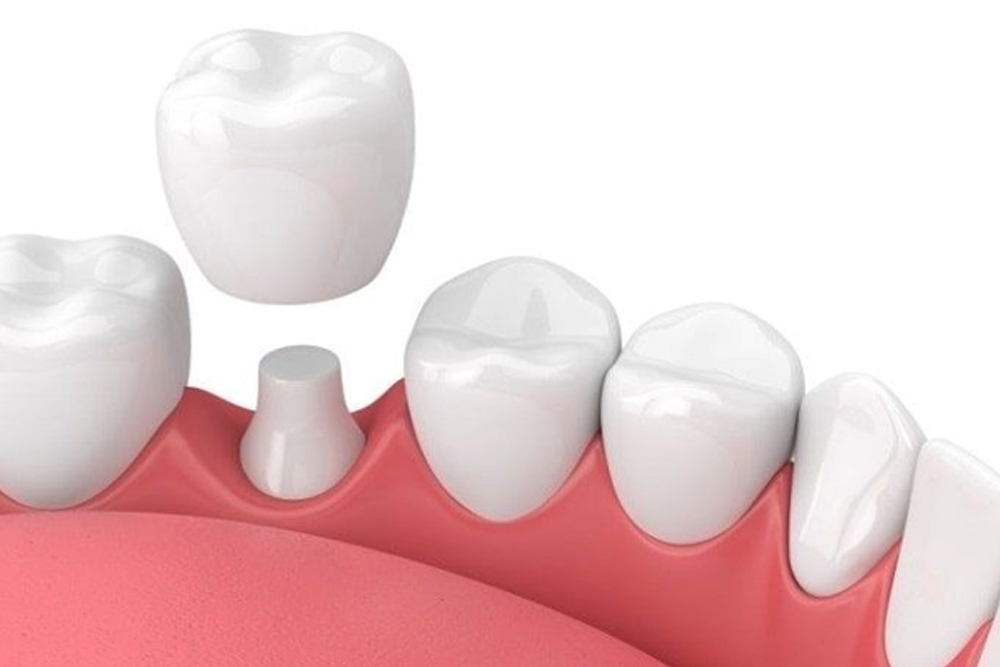
A dental crown that suddenly comes loose or falls out can be surprising, but it does not always mean there is a serious dental emergency. The most important first steps are to keep the crown if you can find it, avoid chewing on the affected tooth, and contact a dentist for guidance rather than attempting a household repair. A dental examination can determine why the crown came off and whether it may be reused or if another treatment is more appropriate.
If your dental crown fell out in Windsor, staying calm and taking a few simple precautions can help protect the tooth until you are able to see a dentist.
First Steps To Take When a Crown Comes Off
When a crown falls out, the tooth underneath may feel different than you expected. Some people notice sensitivity to hot, cold, or sweet foods, while others experience little discomfort at all. Even if the tooth does not hurt, it is still important to have it evaluated because the crown was placed to help protect or restore the tooth.
If the crown comes off, try to locate it as soon as possible. Handle it carefully and avoid scraping or cleaning it with sharp objects. If it appears dirty, gently rinse it with clean water and store it in a small container or resealable bag so you can bring it to your appointment.
Until your dentist has assessed the situation, it is generally a good idea to:
- Keep the crown if you are able to find it.
- Bring the crown with you to your dental appointment.
- Avoid chewing on the affected side of your mouth.
- Choose softer foods if the exposed tooth feels sensitive.
- Continue brushing and flossing carefully around the area without applying excessive pressure.
- Contact your dental office for advice on the next appropriate step.
The tooth underneath the crown may have exposed surfaces that are more sensitive than usual. Being gentle with the area can help reduce discomfort while you wait to be seen.
Although it may be tempting to place the crown back onto the tooth yourself, it is usually best to wait until your dentist has examined both the crown and the tooth. A crown can loosen for several different reasons, and simply placing it back without understanding why it came off may not address the underlying problem.
Some people also wonder whether they should stop cleaning the area altogether. In most cases, maintaining good oral hygiene remains important. Carefully brushing nearby teeth and gently cleaning around the exposed tooth may help keep the area clean without placing unnecessary force on it.
The level of urgency depends on your individual situation. A crown that falls out without pain may not require the same response as one accompanied by significant discomfort, swelling, or damage to the tooth underneath. If you are unsure how quickly you should be seen, seeking emergency dental care in Windsor allows a dentist to assess the condition of the tooth, determine why the crown came off, and recommend the most appropriate next step. Not every lost crown requires the same level of urgency, but it is still important to have the situation professionally evaluated.
What To Avoid Until You Can See a Dentist
Knowing what not to do is just as important as knowing the first steps to take. Certain well-intentioned home remedies may make the situation more complicated or even damage the crown.
One of the biggest mistakes is attempting to permanently glue the crown back into place. Household glues and other adhesives are not intended for use inside the mouth and can make professional treatment more difficult. They may also irritate the surrounding tissues or interfere with the way the crown fits.
It is also best to avoid forcing the crown back onto the tooth if it does not fit comfortably. Even if it seems to sit in roughly the right position, there may be changes to the tooth or crown that are not visible without a dental examination.
While waiting for your appointment, try to avoid:
- Chewing hard, crunchy, or sticky foods on the affected side.
- Using household glue or other adhesives.
- Attempting to file, trim, or adjust the crown yourself.
- Ignoring ongoing pain or increasing sensitivity.
- Delaying an assessment simply because the tooth is not currently painful.
Another common mistake is assuming that a fallen crown is only a cosmetic concern. Even when the tooth looks normal, it may be more vulnerable without the protection the crown was providing. That is one reason why arranging an examination is recommended rather than waiting to see whether the situation resolves on its own.
If the exposed tooth becomes increasingly sensitive or uncomfortable, continuing to protect the area until you receive professional advice is generally the best course of action. Avoiding unnecessary pressure on the tooth may reduce the chance of further damage while your dentist determines the most appropriate next step.
Why a Dental Crown May Come Loose or Fall Out
Dental crowns are designed to protect and restore damaged teeth, but they can sometimes become loose or fall out over time. This does not always mean the crown has failed. In many cases, there is an underlying reason that should be evaluated before deciding whether the existing crown can be reused or whether another solution may be more appropriate.
One common reason is normal wear over time. The cement that holds a crown in place can gradually weaken, particularly after years of regular chewing. Crowns are exposed to constant biting forces every day, and those forces may eventually contribute to the crown loosening.
Decay developing around the edge of the crown is another possible cause. If the tooth structure beneath the crown changes, the crown may no longer fit as securely as it once did. Likewise, a fracture involving either the crown or the underlying tooth may affect how well it stays in place.
Other factors that may contribute include:
- Biting on very hard foods or objects.
- Teeth grinding or clenching.
- Changes to the underlying tooth.
- Normal wear affecting the crown or dental cement.
- Trauma or an injury involving the mouth.
It is not always possible to determine the reason simply by looking at the crown. A crown that appears undamaged may still no longer fit correctly, while one that looks worn may still be reusable depending on the findings of a dental examination.
For that reason, it is generally recommended to bring the crown with you to your appointment rather than assuming it must be discarded. Your dentist can evaluate both the restoration and the tooth underneath before discussing the most appropriate next step.
When a Fallen Crown May Need Prompt Dental Attention
Not every lost crown requires the same level of urgency, but certain situations deserve more prompt attention than others.
You should consider contacting a dentist promptly if:
- The exposed tooth is causing significant pain.
- The tooth has broken or cracked after the crown came off.
- There is swelling around the affected tooth or gums.
- You are unable to bite comfortably.
- The crown has come off following an injury to the mouth.
- The exposed tooth has a sharp edge that is irritating your tongue or cheek.
These symptoms do not automatically mean a serious problem is present, but they can indicate that the tooth should be assessed sooner rather than later. A dentist can determine whether the existing crown may still be suitable or whether another approach is needed.
Even when there is little or no discomfort, it is still a good idea not to postpone an examination for too long. Without the protection of the crown, the underlying tooth may be more vulnerable to damage or sensitivity.
Frequently Asked Questions About a Fallen Dental Crown
Can I put my dental crown back on myself?
It is generally best not to attempt to permanently replace a dental crown yourself. Although it may seem to fit back into place, there may be changes to the crown or the tooth that are not visible. Your dentist can determine whether the crown still fits properly and whether it may be reused or if another treatment is more appropriate.
Is a lost crown always a dental emergency?
No. A lost crown is not automatically considered a dental emergency. Some people have little discomfort, while others experience significant pain or damage to the underlying tooth. The level of urgency depends on your symptoms and the condition of the affected tooth, which is why contacting a dentist for guidance is recommended.
What should I do if I cannot find the crown?
If the crown cannot be located, you should still arrange a dental appointment. Your dentist can examine the exposed tooth and discuss the most appropriate way to restore it. Losing the crown does not necessarily determine what treatment will be recommended, as that decision depends on the condition of the tooth and the examination findings.
Talk to Foresto Dentistry About a Fallen Dental Crown
Although a fallen crown can be stressful, taking the right steps early can help protect the tooth while you wait to be seen. Avoid chewing on the affected side, keep the area clean, and bring the crown with you if you are able to find it.
Even after the immediate issue has been addressed, attending regular dental exams allows your dentist to monitor existing crowns and other restorations as part of your ongoing oral health. Routine examinations may identify changes that deserve attention before they lead to unexpected problems.
If your dental crown has fallen out or become loose, you can contact Foresto Dentistry to discuss your symptoms and arrange an assessment. After examining the tooth and the crown, your dentist can explain the findings and recommend the most appropriate next step based on your individual situation.